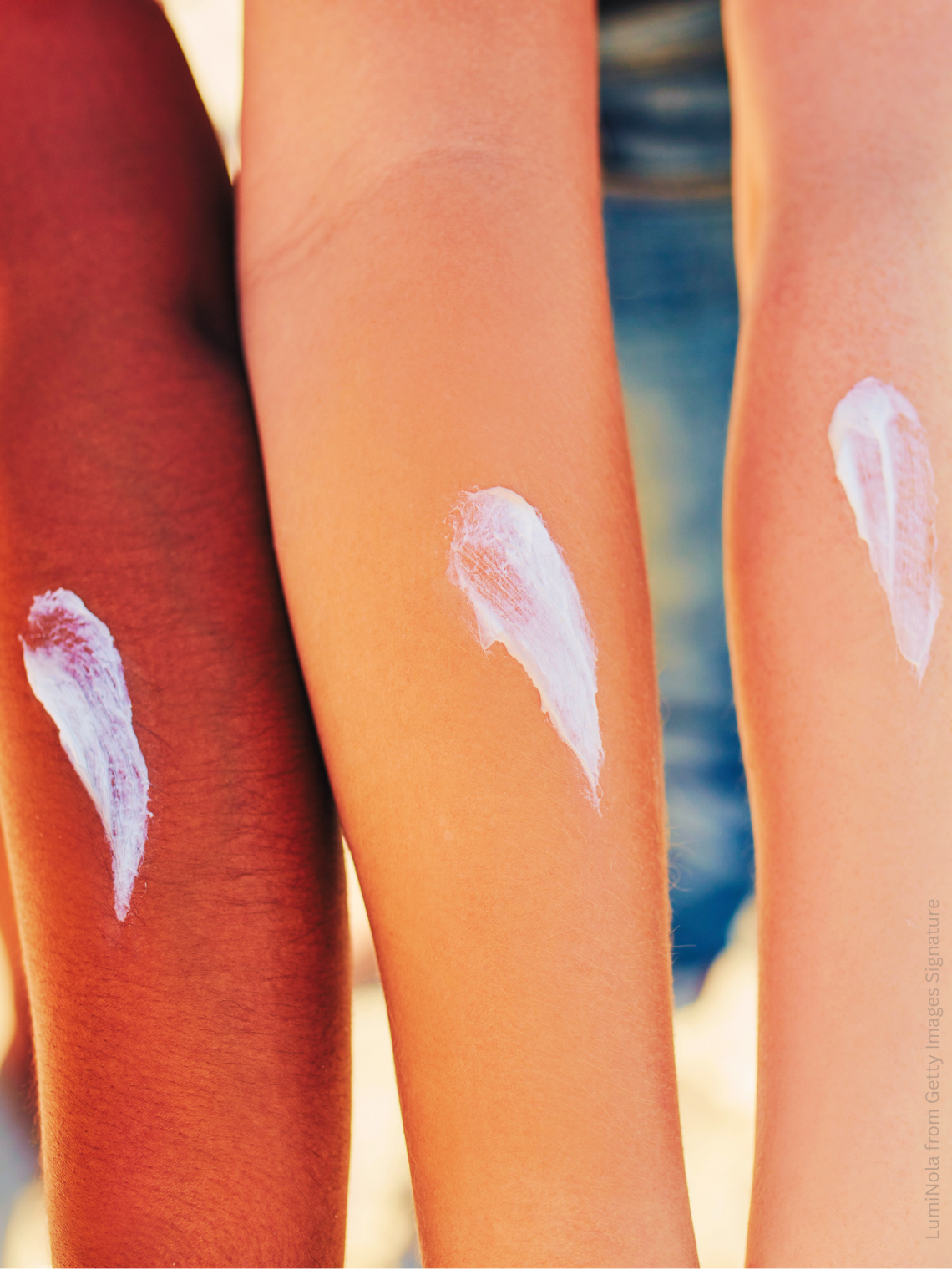
We’re well into spring, and in many parts of the world the sun shines brightly, sharing powerful UV rays with all in its path. As we move into early summer, preparing for outdoor activities requires additional care. Covering the skin with protective garments and SPF is paramount for maintaining healthy skin. Knowing where to start when approaching SPF is critical in providing proper skin care throughout the season.


When to Apply
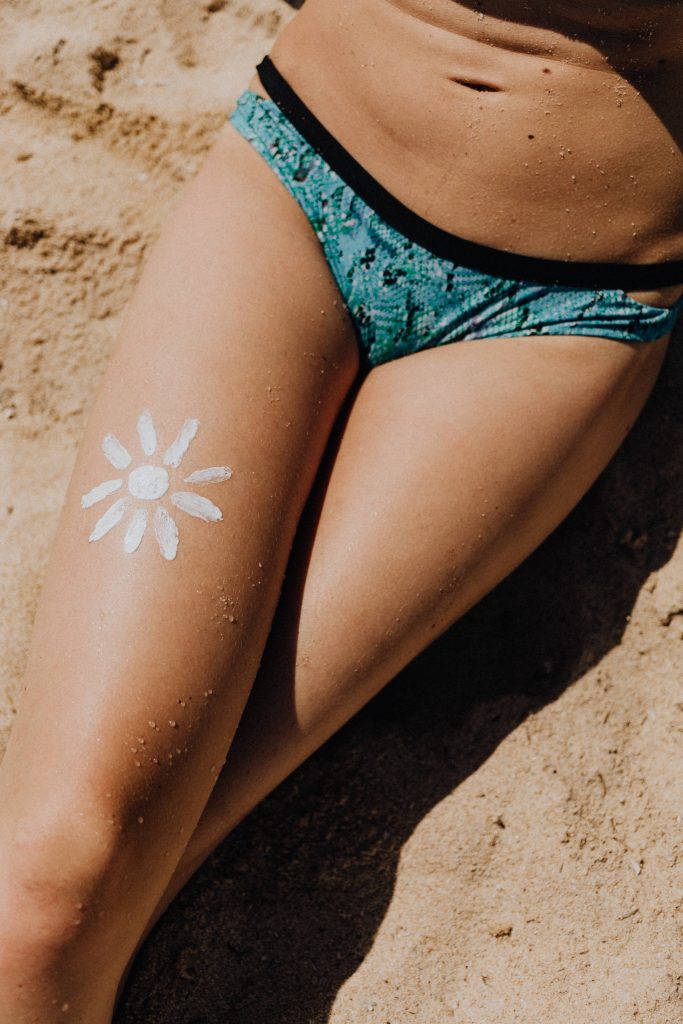
Sunscreen does not require major technical science when determining when to apply. It does require an initial application to exposed skin and follow-up applications thereafter. Liberally apply to all exposed skin before going into the sun. Think face, ears, the complete neck area, decollete, back, arms, hands, legs, tops of feet, toes, and any other areas exposed. Never forget the backs of your legs. If you are bald, apply all over the exposed head area. Always remember to apply specialized SPF for the lip area directly onto lips frequently for moisture and protection. According to the FDA, limiting time in the sun is highly suggested. Avoiding the sun when its rays are at their most intense between 10 a.m. and 2 p.m. is recommended. The best application rule when approaching SPF is to apply as needed and frequently.
How Long it Wears
Generally, SPF wears off between 2 and 3 hours. Wearing sunscreen while active, sweating, or toweling off requires frequent applications. Also remember that SPF is not waterproof, and products labeled as “water resistant” must be tested to back up any claims.
Like with any type of skin care product relied on for specialized care, always lightly exfoliate the skin before application. Skin cells accumulate on the surface of the skin, keeping topical care products from delivering the best possible results. Lightly exfoliated skin helps gauge the true need of the product and how many applications are required when in direct sunlight. Stay away from AHA (alpha hydroxy acid) products when exfoliating before immediately moving into SPF application due to the skin being extra sensitive after acid resurfacing. Light gommage exfoliation with micro- or exfoliant ingredients between 1 and 3 days before sun exposure helps in a balanced SPF process. Non-abrasive and non-acidic topical peel gommage products also produce desirable topical exfoliation. Always check and follow application directions for each exfoliation and SPF product you use.
SPF Textures
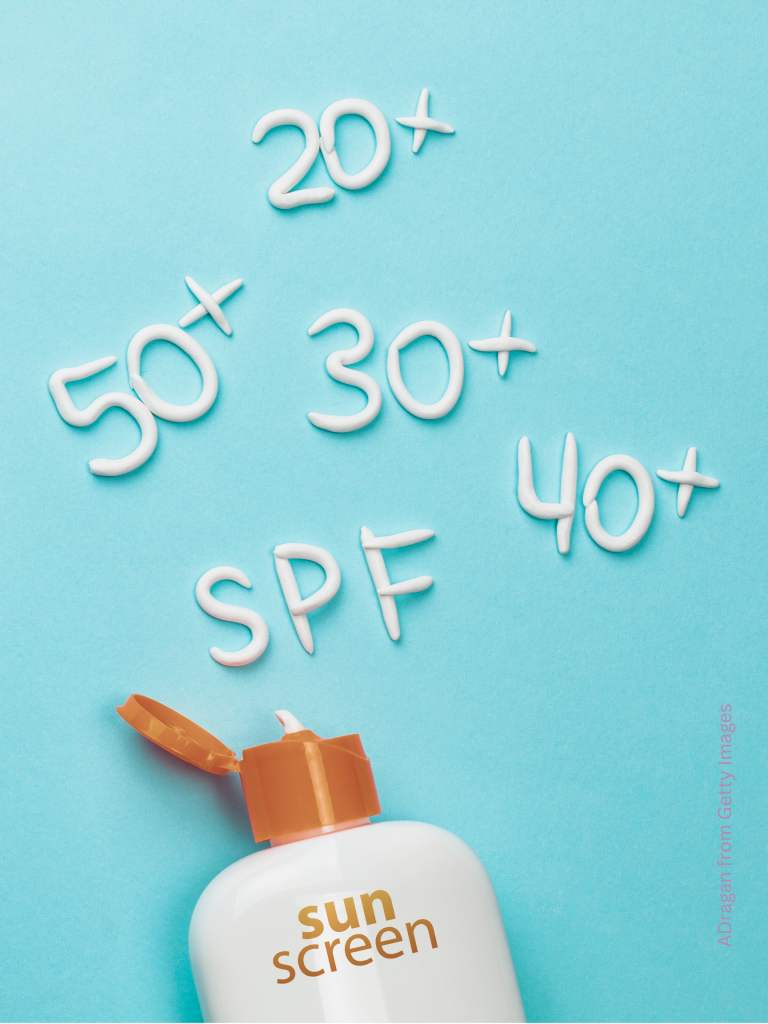
Over the years SPFs have evolved into wonder products, each with unique textures, opacities, and length of wear. There are various sun protection factors ranging from 2 to 100+. High protection, or broad-spectrum, use is recommended at 30-50+. Over the years, SPF has taken many effective shapes, including but not limited to lotions, creams, sticks, gels, oils, butters, pastes, and sprays. Before applying any product to the face and body, always read the application directions and follow them verbatim.
Clear sunscreen. Modern sunscreen formulas have evolved, leaving no residue behind on skin once applied. These light formulas use micronized minerals to deliver desired application results while protecting the skin.
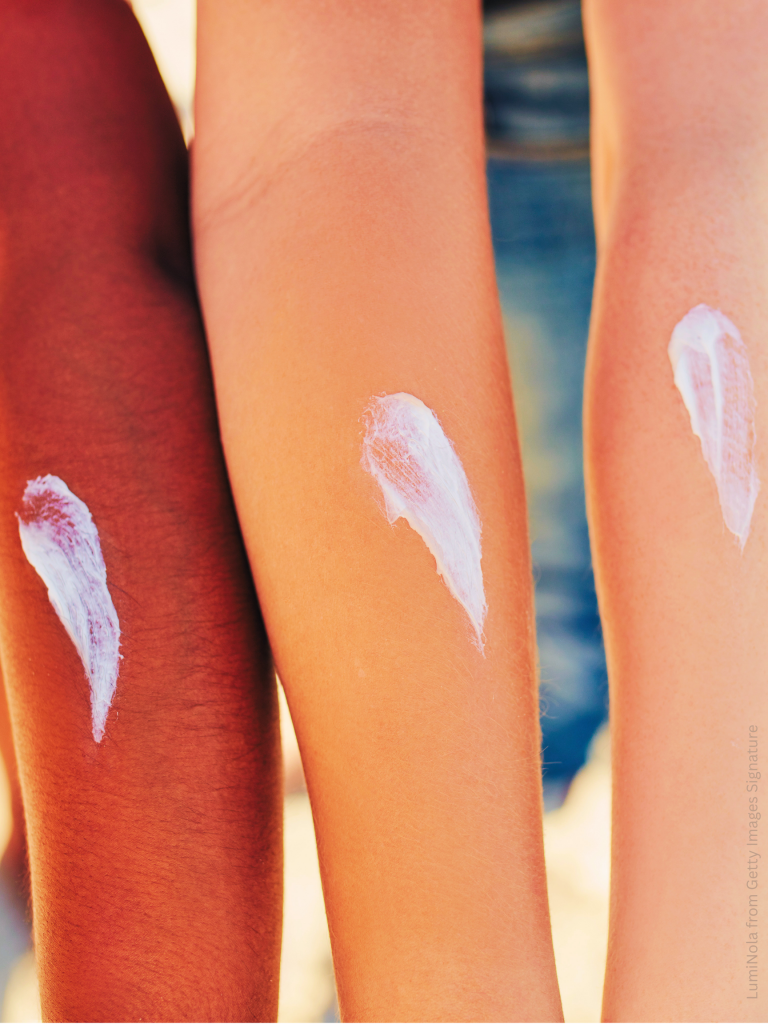
Color and White semi-opaque sunscreen. White residue from a sunscreen product is not bad; it’s just a testament to the amount of potent ingredients in that formula. Titanium dioxide and zinc oxide, inorganic ingredients used as physical sun blockers in high-activity sunscreen products, may leave a white residue after being applied. Opaque formulas usually come in a stick or heavy cream formula and require extra smoothing for balanced applications.
Preservation of skin condition, comfort, and moisture are three solid reasons to wear SPF. Direct protection from UBV and UVA sun rays also tops this short list. Making an investment into your skin’s maintenance is worth the time in the short and long term. By understanding the simpler mechanics of sunscreen, navigating products becomes simple while preserving the integrity of the largest organ of the body.
Images and sources-LumiNola from Getty Images Signature, Kaboom Pics, Karola G from Pexels, ADragan from Getty Images, FDA, PubMed Central ,CDC


One comment on “The Ballad of SPF”